





Understanding OFAC Red Flags: Key Indicators for Compliance
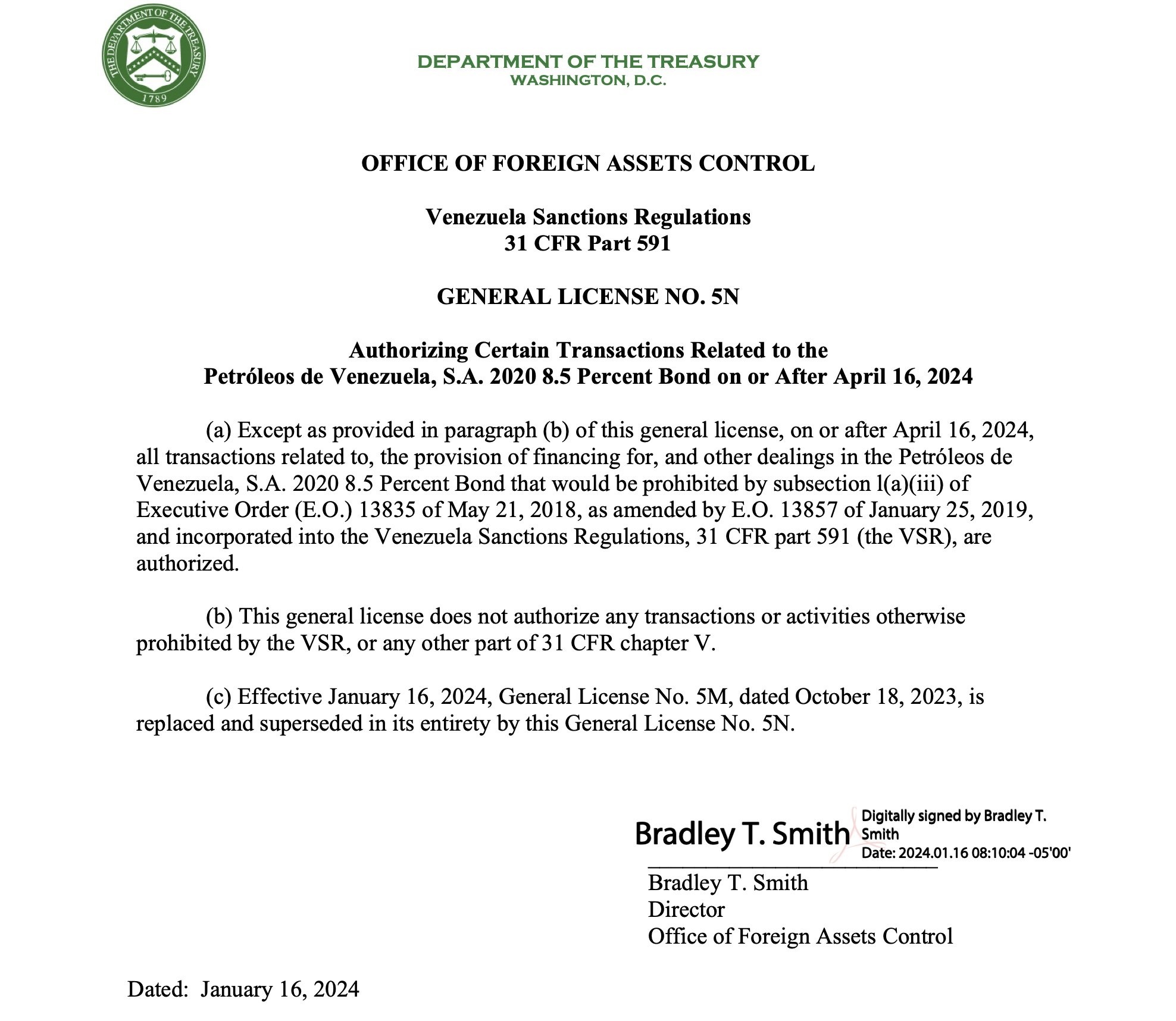
In today’s globalized economy, compliance with regulations is paramount for businesses that operate across international borders. One critical aspect of compliance is adhering to the guidelines set forth by the Office of Foreign Assets Control (OFAC). This U.S. Treasury Department office administers and enforces economic and trade sanctions based on US foreign policy and national security goals. A crucial component of these sanctions is identifying and understanding OFAC red flags https://dennisjernigan.com/media/pgs/?ofac-red-flags-what-to-watch-for.html, which serve as warning signs for potential violations.
What are OFAC Red Flags?
OFAC red flags are indicators that may suggest a business or individual is connected to sanctioned entities or individuals. These red flags are warning signs that require further investigation to ensure compliance with U.S. sanctions. Recognizing these flags is vital for companies, especially those engaged in international trade, to avoid severe penalties. Failure to comply with OFAC regulations can result in hefty fines and damage to a company’s reputation.

Common OFAC Red Flags
Businesses must be aware of various red flags that could indicate OFAC violations. Below are some of the most common indicators:
1. Unusual Payment Patterns
One significant indicator is unusual payment patterns. If a transaction involves high-risk countries or regions known for money laundering or terrorism financing, it should raise suspicion. Additionally, payments made in unexpected currencies or through intricate payment structures can serve as red flags.
2. High-Risk Jurisdictions
Engaging in trade with countries known for defying international sanctions or having poor economic transparency is another concerning flag. Countries such as North Korea, Iran, Syria, and Crimea are often subject to strict sanctions, and transactions involving these regions warrant extra scrutiny.
3. Incomplete or Inaccurate Documentation
Businesses should ensure that all documentation related to transactions is complete and accurate. Inconsistencies or missing information can indicate potential OFAC violations. If documents do not match the parties involved in a transaction or appear to have been manipulated, this should prompt further examination.
4. Use of Shell Companies
The use of shell companies or obscure business arrangements designed to conceal the true nature of a transaction is a considerable red flag. These companies may serve as intermediaries, making it difficult to trace the origin of funds or understand the end beneficiaries of a transaction.
5. Pressure to Expedite Transactions
If a client or counterparty is rushing a transaction or pushing for expedited processing without valid reasons, this could raise suspicion. Unexplained urgency, especially in contexts involving high-risk jurisdictions, may indicate an attempt to circumvent compliance measures.
Tools and Best Practices for Identifying Red Flags
Various tools and best practices can help businesses effectively identify potential OFAC red flags. Here are several strategies:
1. Implement Comprehensive Training Programs
Regular training for employees about OFAC regulations and red flags is essential. Staff should be equipped with the knowledge to identify unusual transactions and understand the implications of sanctions compliance. This will help create a culture of compliance within the organization.
2. Utilize Screening Software
Investing in compliance screening software can automate the process of identifying sanctioned individuals and entities. These tools can help flag suspicious transactions in real-time and streamline the reporting process.
3. Foster a Compliance-Conscious Culture
Encouraging a culture that prioritizes compliance across all levels of the organization is crucial. When every employee understands the importance of OFAC compliance, it becomes easier to identify and address red flags as they arise.
Consequences of Ignoring OFAC Red Flags
Ignoring OFAC red flags can have serious consequences. The penalties can be significant, ranging from monetary fines to imprisonment in cases of willful violations. Additionally, companies risk being placed on OFAC’s Specially Designated Nationals (SDN) list, which can effectively cripple their ability to conduct business internationally.
Conclusion
Navigating the complexities of OFAC regulations and identifying potential red flags requires diligence and acute awareness. By recognizing the common indicators of non-compliance and employing effective strategies to mitigate risks, businesses can protect themselves from severe consequences while contributing to global security efforts.