





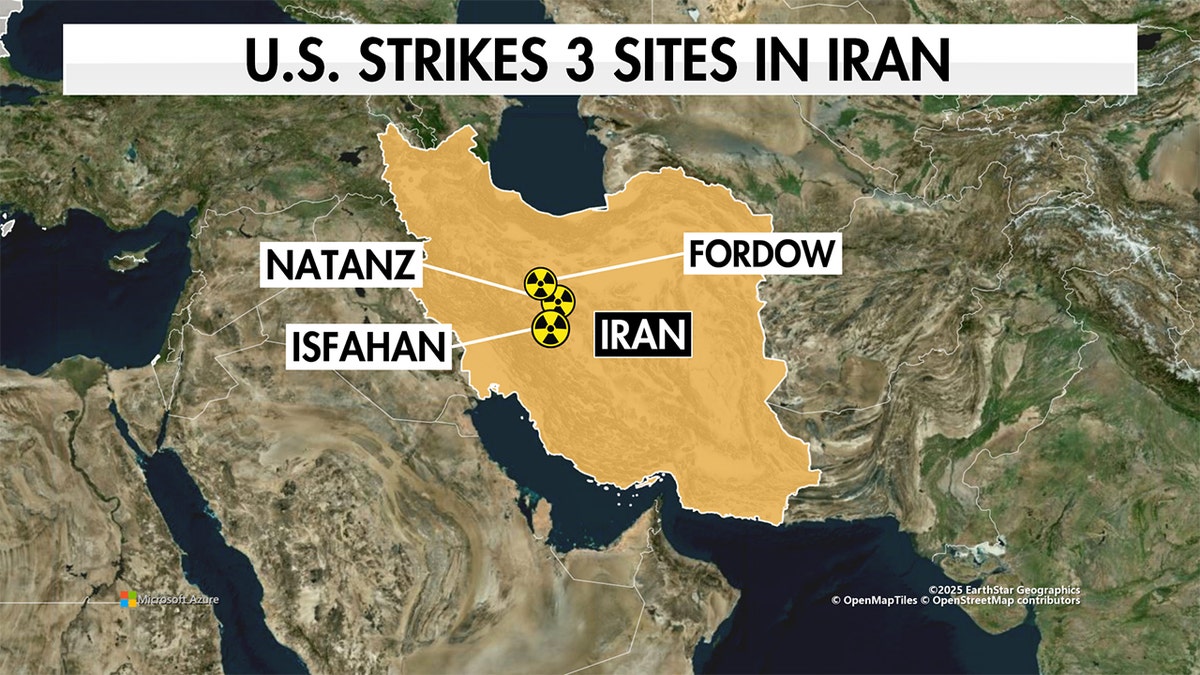
Understanding Iran’s Secondary Sanctions: Implications and Consequences
In recent years, Iran has found itself under a political and economic microscope, particularly due to the imposition of secondary sanctions by the United States and its allies. These sanctions have created a complex environment for international businesses seeking to engage with or operate within Iranian markets. To explore a more detailed overview of these sanctions and their effects, you can refer to more on Iran secondary sanctions.
The Framework of Secondary Sanctions
Secondary sanctions target non-U.S. entities that conduct business with Iran, extending the reach of American sanctions beyond its borders. Under these sanctions, foreign companies can find themselves excluded from the U.S. financial system or cut off from transactions involving U.S. dollars, which are critical for international trade. This approach exemplifies the U.S. strategy of using its economic power to compel compliance with its foreign policy objectives.
Historical Context
The origin of these sanctions can be traced back to various geopolitical events, including Iran’s nuclear program and its regional activities that are viewed as destabilizing by the U.S. and its allies. The 2015 Joint Comprehensive Plan of Action (JCPOA) initially lifted some sanctions; however, the U.S. withdrawal from the agreement in 2018 and the re-imposition of sanctions led to the introduction of secondary sanctions, effectively tightening the economic grip on Iran.
Impact on International Businesses
For international businesses, the ramifications of engaging with Iran under secondary sanctions are significant. Companies face a dual-risk assessment: one from their direct dealings with Iran and another from potential repercussions stemming from the U.S. financial system. As a result, many firms are reluctant to risk major investments or partnerships.
The threat of financial penalties and loss of market access in the U.S. has led to a chilling effect on foreign direct investment (FDI) in Iran. Industries such as oil, gas, and construction, which could have benefited from investment, are particularly affected.
Case Studies of Affected Industries
Several industries have been notably impacted by these sanctions:
1. Energy Sector
The energy sector, which is crucial to Iran’s economy, has faced severe limitations. Major multinational corporations like Total and BP have exited or curtailed their operations in Iran due to the fear of secondary sanctions, leading to significant revenue losses for the Iranian government and stifling development in this vital sector.
2. Financial Services
Financial institutions that provide services to Iranian banks are also at risk. Secondary sanctions complicate transactions, leading banks to shy away from facilitating operations with Iranian entities, further isolating Iran economically.
3. Technology and Telecommunications
The technology sector, particularly in telecommunications, has witnessed a slowdown due to sanctions on Iranian companies. Access to technology and advancements that could potentially aid infrastructural development is restricted, limiting Iran’s economic growth potential.
Geopolitical Implications
The secondary sanctions against Iran have broader geopolitical implications, affecting relationships not just between the U.S. and Iran, but also among its allies. Countries like Russia and China have shown interest in engaging with Iran, leading to a shift in alliances and creating potential for new economic partnerships unaffected by U.S. policies. This scenario raises questions about the efficacy of U.S. sanctions as a tool of foreign policy.
Conclusion
In conclusion, secondary sanctions on Iran reflect a significant strategy employed by the U.S. to enforce its foreign policy and mitigate what it perceives as threats emanating from Tehran. While these sanctions aim to curtail Iran’s nuclear ambitions and destabilizing regional actions, they also have complex repercussions that affect not only Iranian markets but global businesses and geopolitical dynamics as well. Understanding the nuances of these sanctions and their implications is crucial for any company considering investments or partnerships in Iran.
Further Reading
For those interested in a deeper dive into the subject, several resources are available that outline the various dimensions and implications of Iran’s secondary sanctions. Staying informed is key in navigating this intricate international landscape.