





Understanding Crimea Sanctions: Impact and Implications
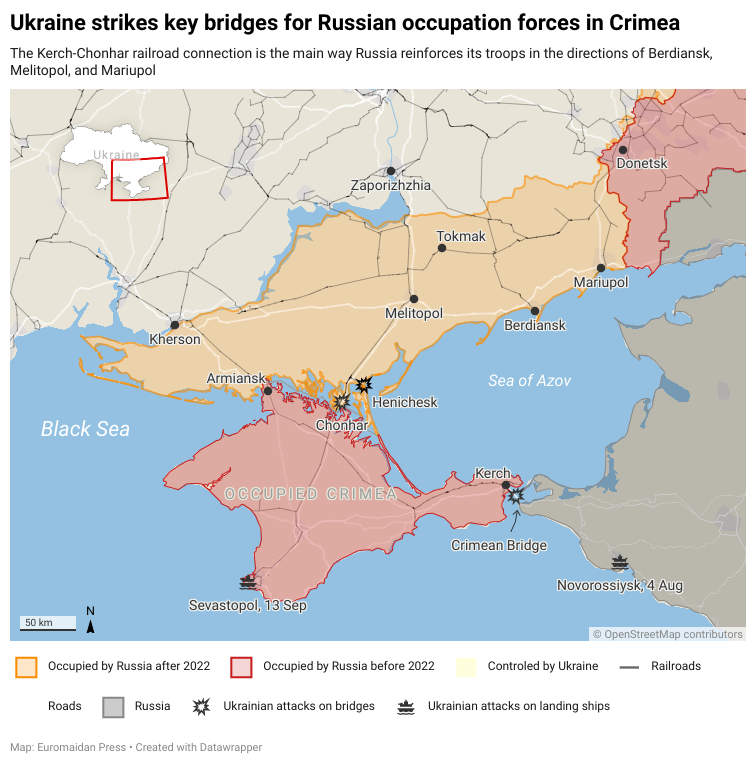
Crimea has been a focal point of international tension since its annexation by Russia in 2014. The resulting sanctions imposed by various countries, particularly the United States and European Union, aim to influence Russia’s policies and actions. These sanctions not only target individuals and entities associated with the annexation but also impact the broader economic relationships and legal operations surrounding Crimea. For more in-depth information on this topic, visit information on Crimea sanctions https://jurisnotary.com/pgs/crimea-sanctions-what-they-mean-for-international-operations.html.
What Are Crimea Sanctions?
Crimea sanctions refer to the various restrictive measures that have been implemented by Western nations against Russia following its annexation of Crimea in March 2014. The sanctions serve multiple purposes, including but not limited to:
- Deterring further Russian aggression in Ukraine and the broader region.
- Holding accountable individuals and entities responsible for the annexation.
- Supporting Ukraine’s sovereignty and territorial integrity.
Types of Sanctions Imposed
The sanctions against Crimea can be categorized into several types:
- Individual Sanctions: Targeting specific individuals, including government officials and business leaders with ties to the annexation.
- Sectoral Sanctions: Limitations on transactions and investments in certain economic sectors, such as finance, energy, and defense.
- Trade Restrictions: Bans on the import of goods from Crimea and restrictions on exports to the region.
- Financial Sanctions: Prohibitions against financial dealings with specified individuals and entities.
Impact on International Operations
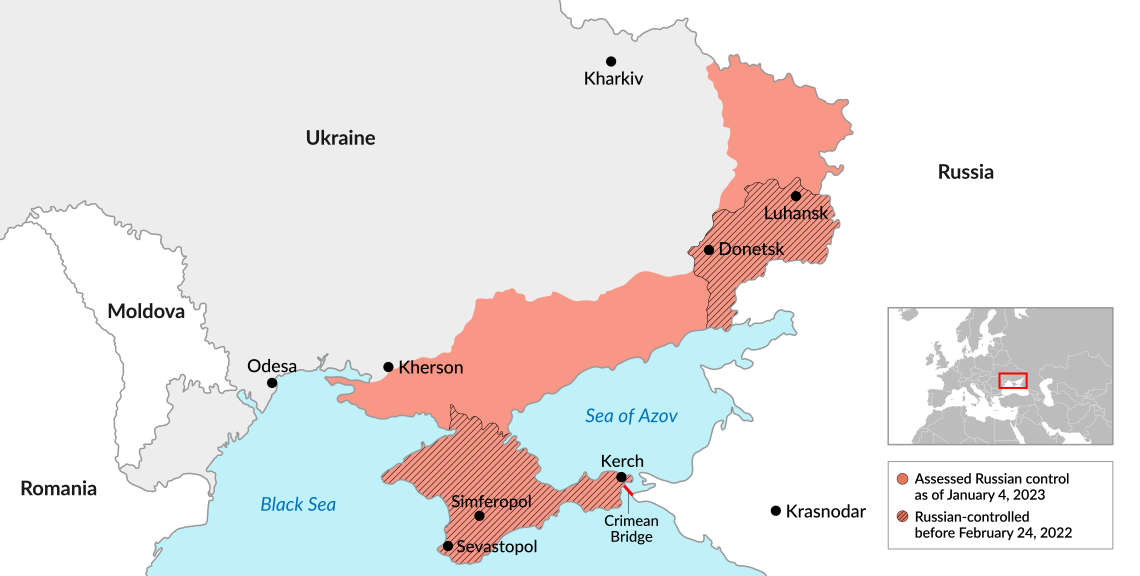
The sanctions have significant implications for international businesses and operations. Companies looking to engage in trade or investment in Crimea face risks of secondary sanctions, which can complicate their global operations. For instance, businesses from countries that have not instituted similar sanctions may find partnerships with firms operating in Crimea problematic. Legal complexities also arise as companies must navigate a challenging international landscape where compliance with various national laws can conflict.
Legal Considerations
Legal professionals handling international operations must be well-versed in the sanctions landscape to advise their clients accurately. The legal ramifications of dealing with Crimea include:
- You may be faced with civil penalties for engaging in prohibited transactions.
- Potential criminal liabilities for executives involved in non-compliance.
- Challenges in enforcing contracts that may involve parties in Crimea.
The Evolving Sanctions Landscape
The sanctions landscape is dynamic; nations continually reassess their strategies based on geopolitical changes, domestic considerations, and international relations. Additionally, enforcement can vary, causing confusion and legal uncertainty for businesses operating internationally. Legal practitioners must stay updated on these changes and their implications for international trade and operations.
Future Directions
Looking ahead, the future of Crimea sanctions will depend heavily on diplomatic negotiations and the broader geopolitical landscape. International entities and countries are likely to continue to evaluate the effectiveness of these sanctions and their impact on regional stability. The outcome of ongoing conflicts, domestic political shifts within Russia, and global responses to these developments will play crucial roles in shaping the sanctions’ trajectory.
Conclusion
Understanding the sanctions regime surrounding Crimea is essential for anyone involved in international operations or legal services. The implications of these measures extend beyond legal penalties and into broader considerations of strategic geopolitical dynamics. As the world navigates these complexities, ongoing education and adaptation will be vital for businesses, legal experts, and policymakers alike.